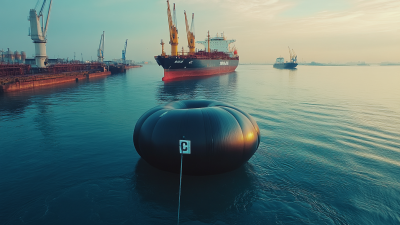
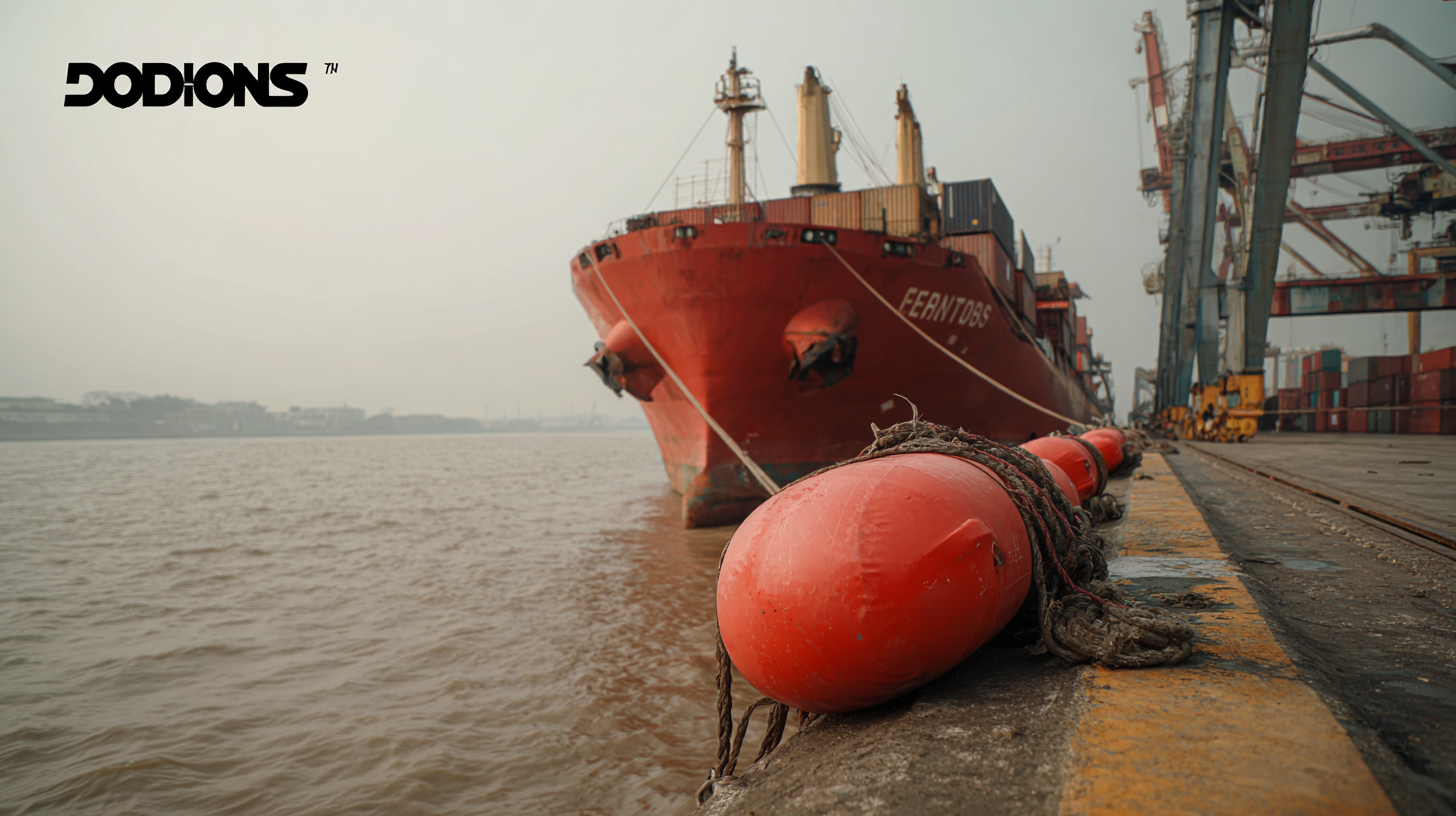
In today's fast-paced global market for inflatable products, figuring out the ins and outs of import-export certifications is super important for suppliers like Guangzhou Huayue Inflatable Products Toys Co., Ltd.You see, as one of the top names in high-quality inflatable solutions – think Inflatable Fenders and more – we’re really passionate aboutsustainable development. It’s not just good business; it's the right thing to do.
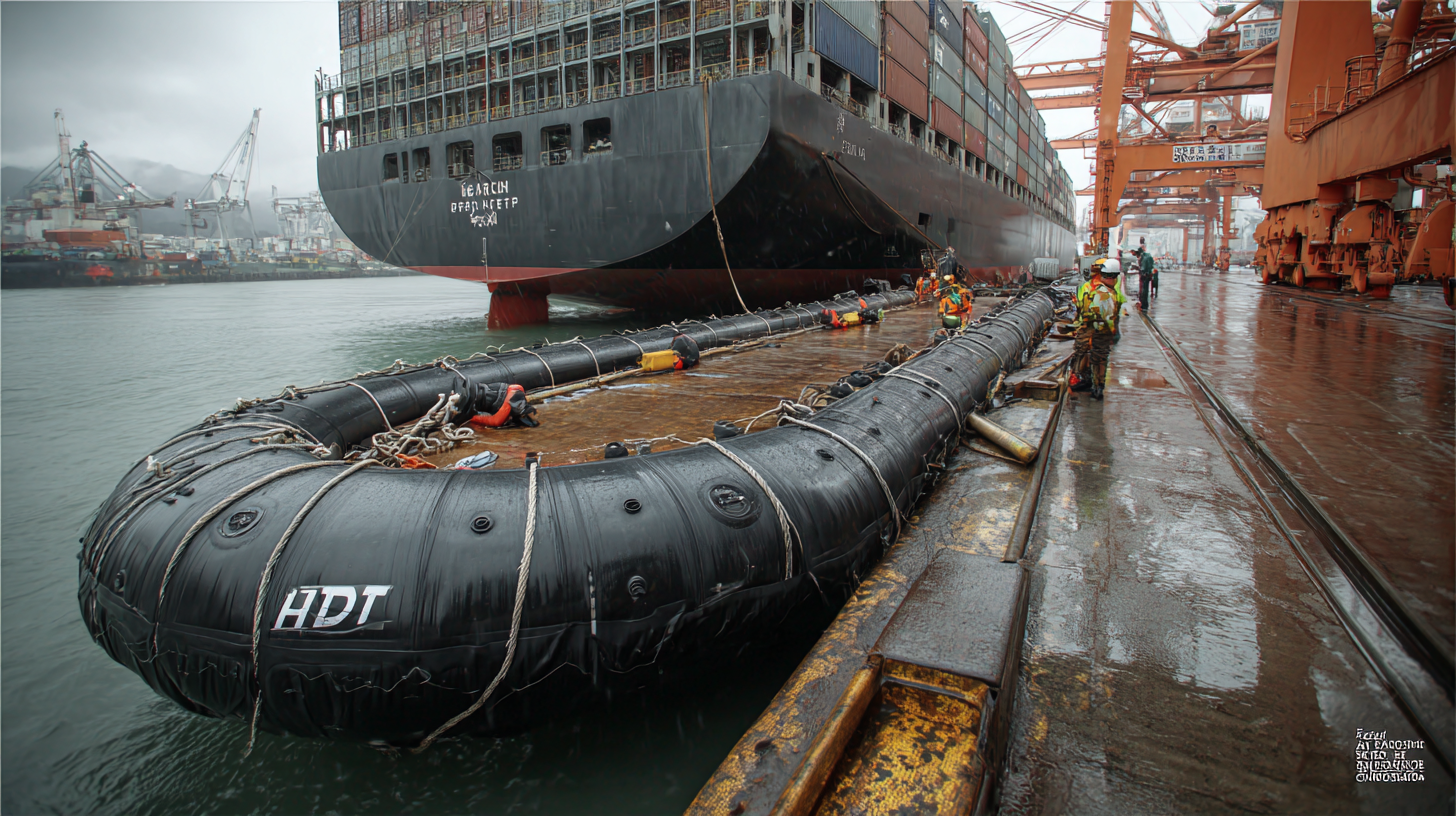
And get this: recent industry reports show that the demand for inflatable fenders is set to take off, thanks to the growing need for marine safety and protection. A MarketsandMarkets report even suggests that this market could hit around USD 300 million by 2025, boasting a solid 5.2% growth rate during that time. While this growth opens up some exciting opportunities, it also brings its share of challenges. That's why it's so crucial for suppliers to stay on top of global standards and certifications. If we can navigate these waters effectively, we’ll not only boost our presence in the market but also help make maritime operations safer overall.
Understanding the Regulatory Landscape for Inflatable Fender Import-Export in 2025
Hey there! So as we get closer to 2025, it’s clear that the rules around importing and exporting inflatable fenders are getting pretty tangled up. You've got all sorts of things to consider—international safety standards, environmental regulations, and various trade agreements really shape how businesses operate in this space. If you’re in manufacturing or distribution, getting a grip on these regulations is super important if you want to stay on the right side of the law and still reach as many customers as possible.
One of the biggest things to keep in mind when it comes to staying compliant is making sure you have the proper certifications. When you're importing inflatable fenders, they need to tick off some pretty serious quality and safety boxes set by both local and global authorities. We're talking about standards like ISO 9001, plus some specific maritime safety codes. And depending on where you're looking to sell, you might also need certificates of origin or import permits. Staying on top of these requirements can make your trade transactions much smoother, plus it builds trust with your customers since they know you’ve got quality products.
Given all these hurdles, if companies want to thrive in the inflatable fender market, they should definitely focus on setting up solid compliance programs. It’s a good idea to connect with legal experts or trade organizations—they can offer some pretty handy tips for navigating all these changing regulations. By tackling compliance head-on, businesses can really give themselves a leg up in today’s competitive global market.
Market Demand Projections: How Global Trends Influence Inflatable Fender Certifications
You know, the inflatable fender market is really booming right now. It’s largely due to a spike in maritime activities and a growing concern for the environment. A recent report from MarketsandMarkets mentioned that this market could hit around $1.6 billion by 2027, growing at a rate of 5.8% from 2022, which is pretty impressive, right? With such high demand, there's definitely a need for a solid set of certifications to keep things safe and up to par. Organizations like the International Maritime Organization (IMO) and the American Boat and Yacht Council (ABYC) have laid out guidelines that manufacturers must follow to make sure their fenders are on point with safety and regulatory standards.
There are a bunch of factors behind these certifications, including new advancements in materials and a real push for sustainable practices. According to a study by Research and Markets, a lot of manufacturers are switching to eco-friendly materials to make their products. This not only ticks off the boxes for compliance but also aligns well with the market’s green initiatives, which is a win-win! Plus, with international trade and shipping really taking off, it’s become super important to have compliant inflatable fenders to reduce risks in port operations. So, navigating through these certification processes effectively isn’t just about getting a foothold in the market; it’s also about keeping up with that global trend towards safety, efficiency, and sustainability in maritime operations.
Key Certification Standards and Their Impact on Industry Players in 2025
Hey there! So, it’s pretty exciting to see the global market for inflatable fenders really picking up steam these days. As it grows, keeping up with crucial certification standards becomes more important than ever. By 2025, making sure our products meet these certifications isn’t just about safety and quality; it’s also gonna boost our competitiveness in the market. In fact, analysts are looking at a projected market value of around $1.5 billion by 2025—mostly thanks to a surge in shipping activities and a growing demand for protective gear in marine settings.
Now, for all of us in the industry, it’s like navigating a maze of certification standards, including ISO 9001 for quality management and ISO 14001 for environmental management. Trust me, getting these right is key to building credibility with our clients. A recent report from Technavio even pointed out that businesses following these standards could see customer satisfaction rates jump by as much as 30%! Plus, with regulations around environmental impact getting stricter worldwide, companies that focus on eco-friendly certifications are really gonna stand out. People are becoming more conscious these days, and that’s definitely a plus for attracting customers and stakeholders who care about the planet.
Cost Analysis: Certification Expenses vs. Market Prices of Inflatable Fenders
So, when you're looking at the global market for inflatable fenders, it's super important to grasp just how certification costs can affect everything. These certifications basically ensure that the products live up to safety and quality standards, and honestly, they can really impact production costs and the prices you'll see in the market. Depending on where you're at, these certification fees can fluctuate quite a bit. For manufacturers, shelling out for certifications like ISO or CE might feel like a heavy load at first, but it’s a smart move in the long run since it boosts the credibility of their products, making them seem way more reliable to consumers.
Plus, there's this interesting tug-of-war between those certification expenses and market prices that can lead to some clever pricing tactics. Some manufacturers might just decide to eat those certification costs to stay competitive, while others could pass those costs straight on to consumers, which can shake up the overall market pricing. For customers, being clued in about these dynamics is super helpful when it’s time to make a purchase. Sometimes, those higher prices you see aren’t just about quality; they might also reflect the added peace of mind that comes with having the right certifications. So, getting a grip on this balance is pretty essential for both sellers and buyers trying to navigate the inflatable fender scene effectively.
Best Practices for Compliance: Ensuring Quality and Safety in the Inflatable Fender Market
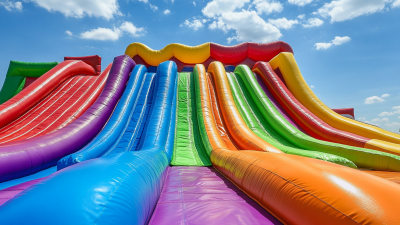
You know, as the inflatable fender market keeps growing, it’s super important for manufacturers to make sure they’re hitting all the right certification marks if they want to really make an impact. Following best practices in compliance doesn’t just protect the quality of the products but also makes things a lot safer for everyone who uses them—whether they're out on a commercial ship or just having fun on a boat. And let’s be real, sticking to international standards can really boost the market’s credibility. It helps build trust between customers and partners, which is a game-changer! This is especially relevant now, as we’re seeing a big increase in the demand for inflatable products like fenders, closely tied to the booming Inflatable Waterpark and boat sectors.
Recent forecasts are showing that the inflatable boat market is set to skyrocket, possibly hitting $3.04 billion by 2034. Pretty impressive, right? This trend really highlights the need for top-notch safety and quality checks when it comes to making inflatable stuff. Companies have to be on the ball with their testing and certification processes to avoid any disasters that might come from shoddy fenders, which could endanger boats and the folks onboard. By putting a solid quality management system in place and keeping up with the latest compliance rules, manufacturers can not only secure their spot in this competitive global landscape, but also ensure their customers feel safe and satisfied.
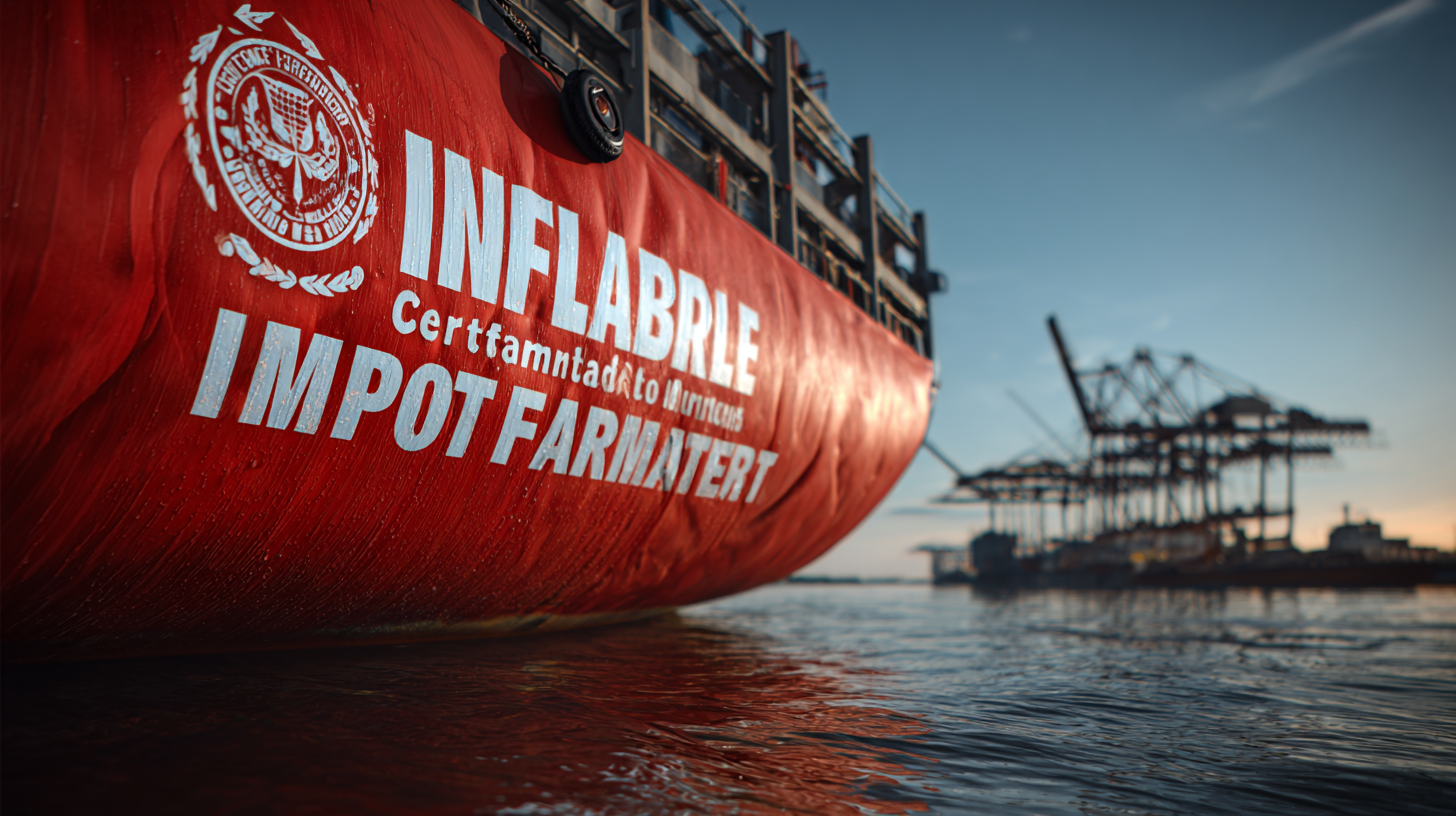
Innovative Technologies Shaping the Future of Inflatable Fender Verification and Certification
You know, the market for inflatable fenders is really heating up! As it evolves, innovative tech is becoming super important for making sure we have solid verification and certification processes in place. A recent industry report even predicts that the inflatable fender market will grow by about 8% a year over the next five years. How? Well, it looks like the demand for marine applications is rising, and safety standards are becoming more crucial than ever.
Take Guangzhou Huayue Inflatable Products Toys Co., Ltd., for example. They’re leading the charge when it comes to innovation, crafting high-quality inflatable products that focus not just on performance but also on being eco-friendly. They've got a pretty wide range of offerings that serve all sorts of sectors, from big Water Parks to yacht facilities, showing just how adaptable they are to the changing market and what consumers want.
In this industry, having the right certifications can really make a difference. That’s why they make sure their inflatable fenders and recreational toys go through tough testing and compliance checks. They want to be sure they meet global safety and environmental standards. This dedication to quality and innovation is what makes them a go-to supplier in the inflatable products world, ready to tackle whatever the future throws at them.
Navigating Import Export Certifications for the Best Inflatable Fenders Global Market - Innovative Technologies Shaping the Future of Inflatable Fender Verification and Certification
| Certification Type | Issuing Authority | Validity Period | Key Features | Technological Innovations |
| ISO 9001 | International Organization for Standardization | 3 Years | Quality Management System | Automated Compliance Tracking |
| CE Marking | European Conformity | Ongoing | Safety and Environmental Standards | Digital Certification Platforms |
| UL Certification | Underwriters Laboratories | 3 Years | Product Safety Standards | Smart Sensor Technology |
| FDA Approval | U.S. Food and Drug Administration | Variable | Health and Safety Compliance | AI-Driven Risk Analysis |
| BSI Kitemark | British Standards Institution | 3 Years | Product Performance Standards | Blockchain for Tracking |