When it comes to docking or berthing, picking the right Marine Fenders is super important. It can really help cut down on damage and keep things safe out there. Industry experts say that the global market for marine fenders is all set to grow quite a bit—reaching over $400 million by 2027—mainly because more maritime activities are happening and there’s a growing focus on safety measures at sea.
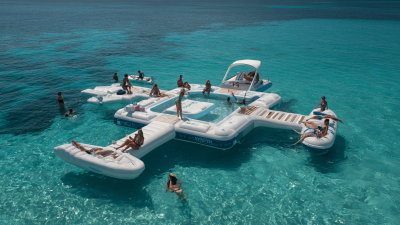
At Guangzhou Huayue Inflatable Products Toys Co., Ltd., we’ve got a solid reputation for delivering high-quality inflatable products, and we totally get how crucial it is to choose the right fender system for each vessel’s needs. Our dedication to sustainable developmentruns through everything we do. We don’t just offer large Water Parks and yacht facilities; we also provide smart, innovative solutions in marine fendering. By understanding the different types and how they work, vessel operators can make docking smoother and better protect their investments—it's awin-win kinda thing.
Understanding the Different Types of Marine Fenders Available
When you're choosing marine fenders for your boat or ship, it’s really important to get a handle on the different types out there. Knowing what's available can help you pick the right ones to keep your vessel safe when docking or mooring. There are quite a few categories, each designed for specific conditions and uses. For example, cylindrical fenders are super popular, especially in ports or when dealing with constantly moving vessels. They’re pretty tough, capable of absorbing big impacts, and flexible enough to fit different sizes of ships.
Then there are Inflatable Fenders — these are lightweight, easy to handle, and work really well. You can adjust the pressure inside them depending on the impact, which is pretty handy. Foam-filled fenders are another option—they offer steady buoyancy and are great for high-impact areas where boats come in and out a lot. Plus, they’re resistant to punctures, which means they last longer with less fuss.
By taking a closer look at these options, vessel operators can find the perfect fender for their specific needs, making sure safety and performance stay top-notch during sea operations. It’s all about choosing what works best for your situation—so don’t rush the decision!
Factors to Consider When Selecting Marine Fenders for Your Vessel
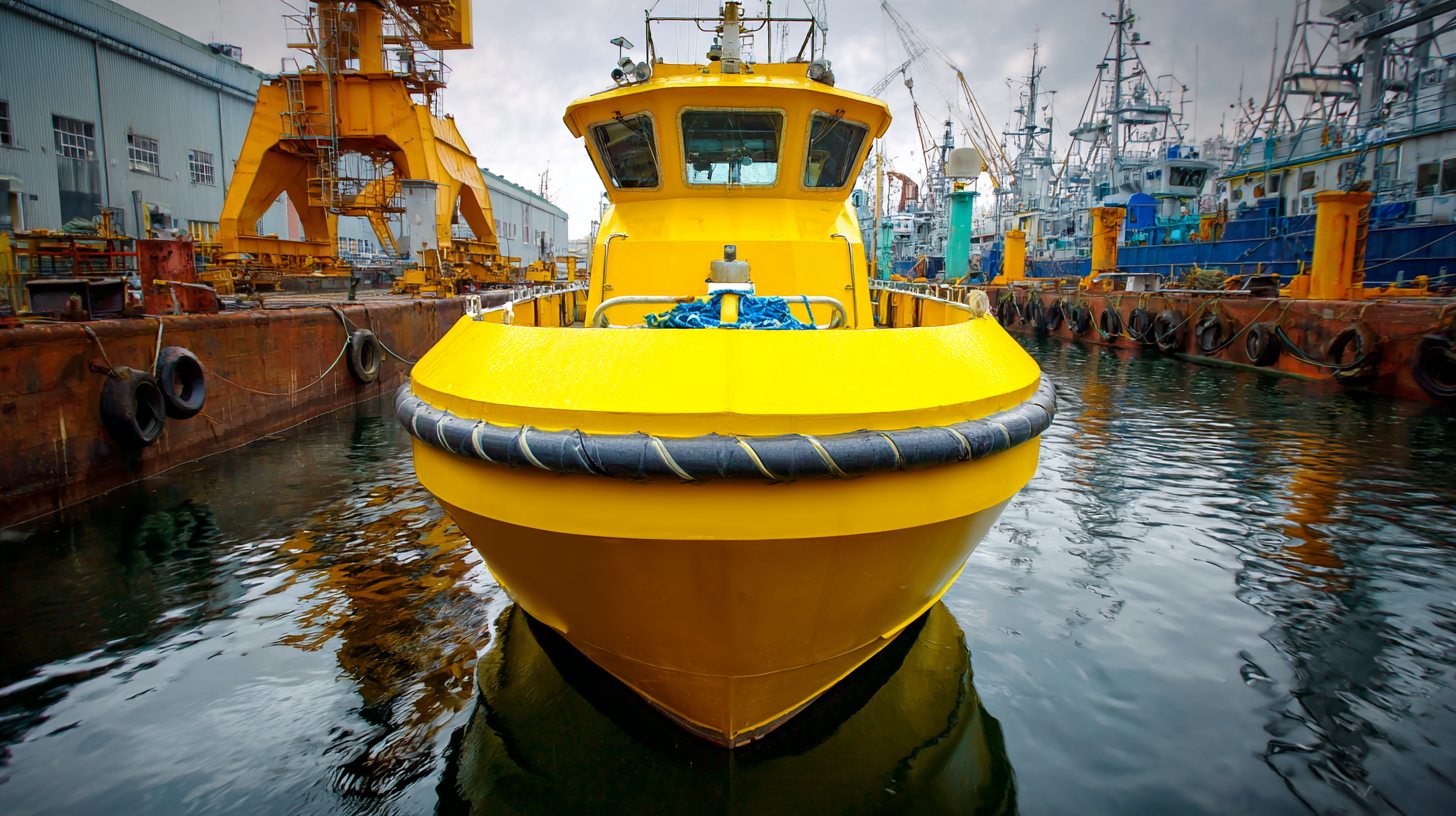
When you're choosing marine fenders for your boat or ship, there are a few important things you really want to keep in mind to make sure everything works smoothly and stays safe. First off, think about what kind of work your vessel will be doing. For instance, tugboats, which handle towing and ship maneuvers, need fenders that can take a lot of punch—those high-impact bumps are just part of the job. Experts like naval architects often suggest fender systems that are good at absorbing shocks and energy, since that helps cut down on damage when docking or mooring.
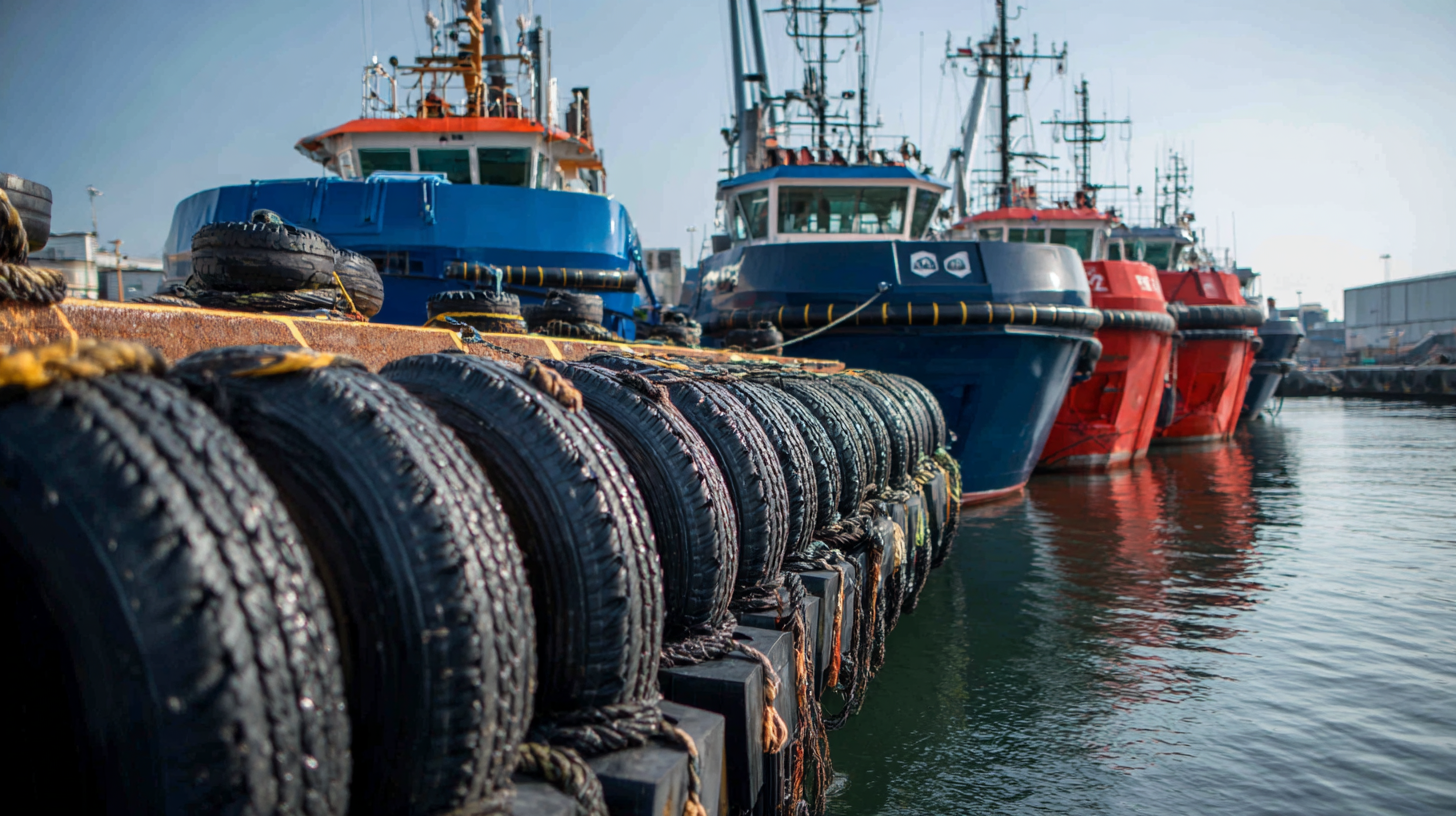
Another thing to consider is the environment where your fenders will be used. Different materials hold up differently in harsh marine conditions. Nowadays, independent testing of fender performance is becoming pretty important—just to be sure you're getting quality stuff, because not all materials are created equal when it comes to durability and dependability. Making sure your fenders meet certain performance standards can really make a difference—especially in busy harbors where they get a lot of wear and tear.
By taking all these factors into account, you can pick out fenders that not only match your operational needs but also boost safety and efficiency all around during your maritime activities.
Comparing the Performance of Common Marine Fender Types
When you're choosing marine fenders, it’s really important to get a good handle on what each type does best. You’ve probably come across the usual suspects like cylindrical, arch, and spherical fenders. Each one’s designed with specific boats and docking situations in mind—so picking the right one can make a big difference. For example, cylindrical fenders are pretty popular because they’re easy to handle and versatile. They’re great at taking impact, which means they can work well with pretty much any vessel—from small boats to those massive barges. Plus, their shape allows for both horizontal and vertical mounting, so they’re pretty adaptable for different dock setups.
On the flip side, spherical fenders are awesome at absorbing energy, making them perfect in situations where big ships bump into port structures. Their round shape helps spread out the force evenly, which cuts down on damage — nobody wants dents or worse, right? Then there are arch fenders, which are a favorite for larger ships since they help absorb impact without slipping out of place. They give you a nice balance of stability and shock absorption. Each type of fender has its own perks, and honestly, it’s worth taking a moment to think about what your vessel actually needs. Picking the right one can really boost safety and performance out there at the dock.
Installation and Maintenance Tips for Marine Fenders
When it comes to marine fenders, getting them installed and maintained the right way is super important if you want them to last long and keep your boat safe. Choosing the right type isn’t just about picking any fender—factors like your boat’s size and weight, the marina’s conditions, and how much impact you expect all play a role. For example, high-quality options like foam or inflatable fenders are fantastic because they absorb shocks really well, making them great whether you're on a small leisure boat or running a commercial operation.
As for keeping them in good shape, regular cleaning is a must. Gunk and dirt can build up over time and cause damage if you’re not careful. Stick to gentle, non-abrasive cleaners to keep the surfaces shiny and looking good—no one wants dull, scratched-up fenders. It’s also smart to give them a once-over every now and then; check for any signs of wear or damage so you can fix small issues before they turn into bigger problems.
And don’t forget about seasonal prep! During winter, it’s a good idea to store your fenders properly—don’t just leave them out and exposed to cold. Freezing can seriously crack or damage them if you’re not careful. Keeping your fenders in tip-top shape not only protects your vessel but also makes sure everything runs smoothly when you’re out on the water. Taking the time for regular care really pays off in the long run—you’ll be able to enjoy many more safe and hassle-free trips.
Marine Fenders Selection and Maintenance Overview
Cost Considerations for Choosing Marine Fenders
When you're picking out marine fenders for your boat, it’s pretty important to consider the costs, but also to think about safety and how long your boat will last. Industry experts say that investing in good quality fenders can really make a difference—they help prevent damage during docking and keep both your boat and the dock safe. The cool thing is, fenders come in all shapes and sizes, and the price can vary a lot. Usually, going for premium materials might seem costly upfront, but it can actually save you up to 30% on repairs over the life of your boat—so it’s kind of a smart move in the long run.
On the flip side, skimping on quality can backfire. There’s a report from the boating industry that points out how using the wrong or low-quality fenders can lead to more wear and tear on your vessel. That means more money spent on repairs, and it might even drag down the resale value if you decide to sell later on. For example, using the wrong fender type can cause scratches and dents—things that might seem minor at first but can add up quickly. It’s really about balancing the initial cost with the possible risks down the road. Making informed choices about your fenders can help protect your investment and keep everything running smoothly for years to come.
How to Choose the Right Marine Fenders for Your Vessel Needs - Cost Considerations for Choosing Marine Fenders
| Fender Type | Dimensions (Diameter x Length) | Weight (lbs) | Material | Typical Cost ($) | Best Used For |
| pneumatic fender | 3.3 ft x 6.6 ft | 120 | Rubber | 800 | Large vessels and ships |
| Foam fender | 2 ft x 4 ft | 30 | Cross-linked polyethylene | 250 | Yachts and small boats |
| Bumper fender | 4 ft x 3 ft | 50 | Vinyl | 150 | Docks and marinas |
| D fender | 3 ft x 12 ft | 100 | Rubber | 600 | Tugboats and offshore vessels |
| Cylindrical fender | 2 ft x 6 ft | 40 | Foam filled | 225 | Commercial vessels and general docking |
Environmental Impact and Sustainability of Marine Fenders
Choosing the right marine fenders isn’t just about keeping ships safe and avoiding damage — it’s also about caring for the environment. You know, a lot of traditional fenders are made from rubber or plastic, which can end up polluting our oceans if we’re not careful. As more folks in the industry are pushing for greener options, it’s worth thinking about alternatives that leave a smaller footprint. Things like biodegradable or recycled materials can really help cut down on waste and protect marine life.
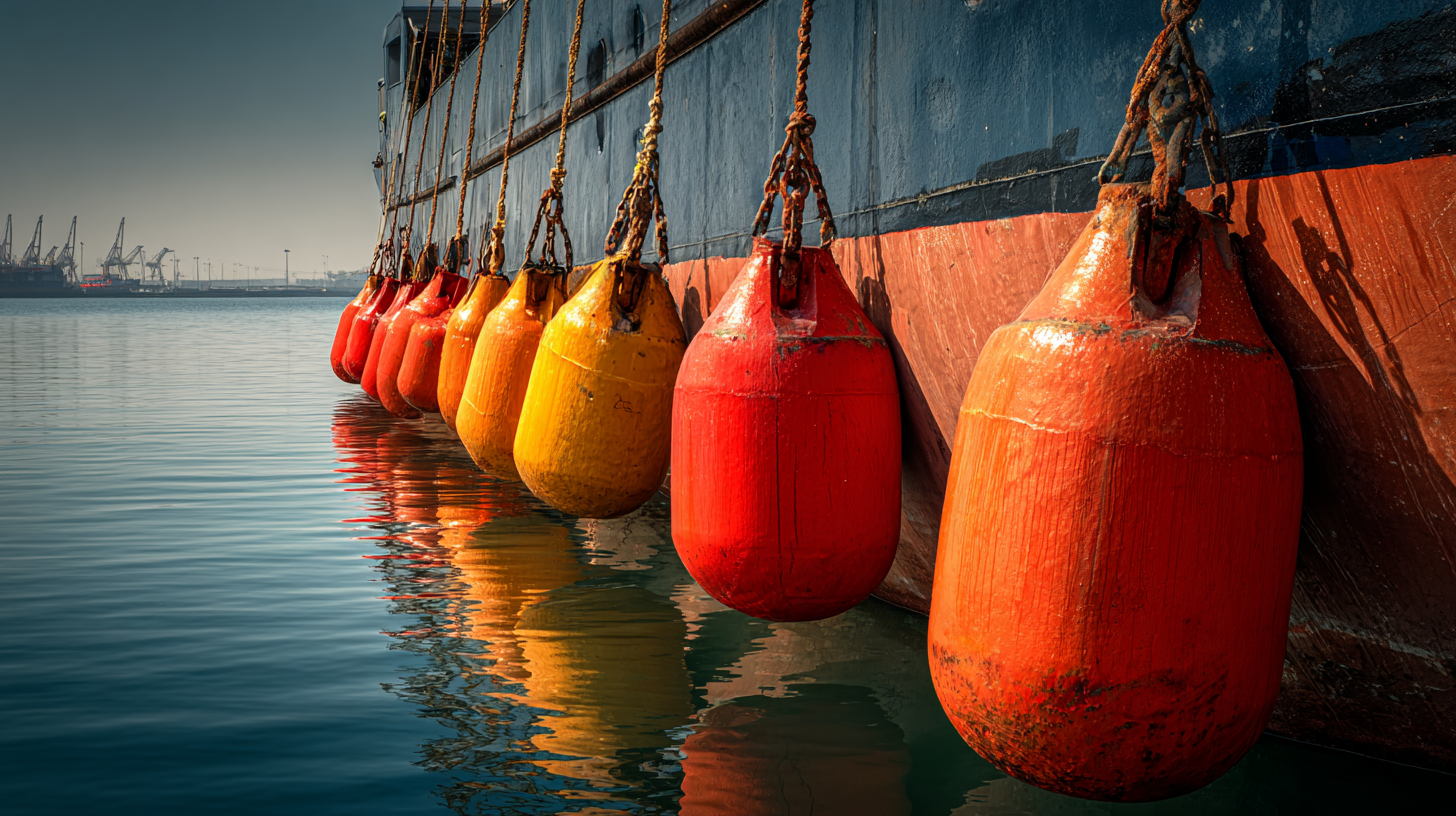
On top of that, how we produce and dispose of these fenders really matters for local ecosystems. By opting for fenders that are built to last and are super durable, shipowners can cut down on how often they need to replace them — which in turn saves resources and keeps trash out of the ocean. And with new tech in fender design, there are options that better absorb impact energy, meaning dockings do less damage and everything lasts longer — both the fenders and the ships. So, picking the right marine fenders isn’t just about safety; it’s also a way to help keep our oceans healthier for future generations.
FAQS
: There are several types of marine fenders including cylindrical fenders, inflatable fenders, and foam-filled fenders, each designed for specific applications and environmental conditions.
Foam-filled fenders are ideal for high-impact areas due to their stable buoyancy and puncture resistance, making them suitable for frequent docking situations.
Inflatable fenders offer excellent performance while being lightweight and easy to handle; their adjustable pressure accommodates varying levels of impact energy.
Key factors include the type of operations the vessel will engage in, environmental conditions, the durability of materials, and performance standards for optimal safety and efficiency.
Independent testing verifies quality and standardization in materials, which significantly affects the longevity and reliability of fenders, especially in busy harbor operations.
Marine fenders should be regularly cleaned to prevent dirt accumulation and inspected routinely for signs of wear or damage to address issues before they escalate.
Use non-abrasive cleaners for maintenance, conduct routine inspections, and prepare fenders for seasonal changes to ensure they remain in good condition.
The weight and size of the vessel influence the choice of fender type, ensuring that it can adequately absorb impacts and protect the vessel during docking and mooring.
Proper storage during winter is crucial to avoid freezing or cracking, ensuring the fenders remain effective and prolong their lifespan.
Properly selected and maintained marine fenders optimize protection during docking and mooring operations, thereby enhancing the safety and performance of vessels at sea.
Conclusion
Picking out the right Marine Fenders for your vessel isn’t just a technical choice — it’s pretty key to keeping everything safe and making sure your boat and dock stay protected. In our blog, we dive into the different types of Marine Fenders out there, and we really stress how important it is to understand their performance and how they match up with your specific vessel needs. Things like environmental conditions, what kind of material the fender’s made of, and how you go about installing them all matter a lot. We also share some tips on proper maintenance, costs to keep in mind, and even touch on how these products impact the environment and sustainability.
Here at Guangzhou Huayue Inflatable Products Toys Co., Ltd., we’re all about offering top-notch Marine Fenders that align with our commitment to eco-friendly development. Our fenders aren’t just built to meet industry standards — they’re designed to be good for marine environments, too. Whether you’re running a big water park or upgrading your yacht facilities, choosing the right Marine Fenders can make a huge difference in how long they last and how smoothly everything runs in your aquatic projects.