Leave Your Message


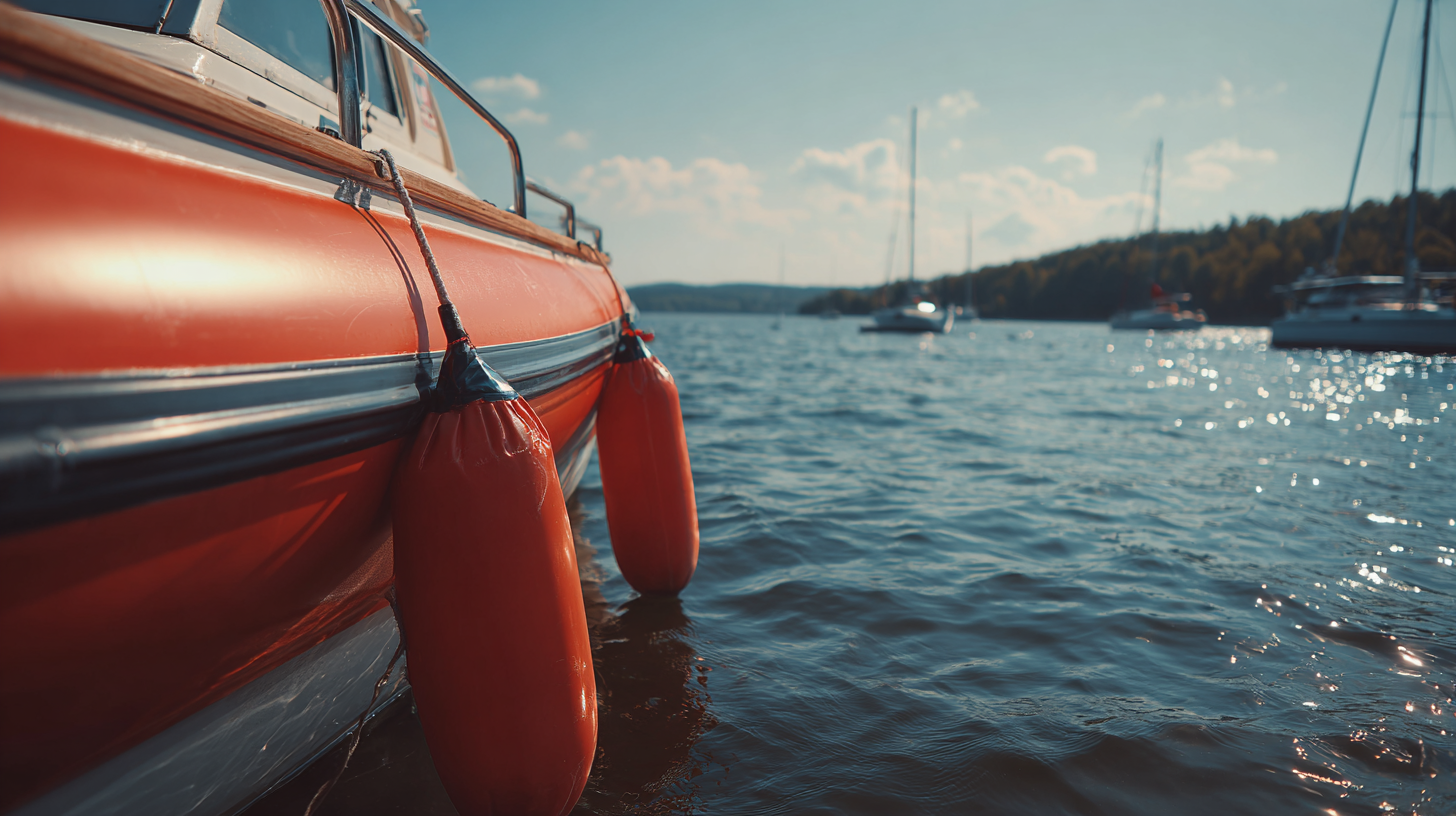
In today’s ever-changing maritime world, keeping your boat safe and lasting long-term is a top priority. And honestly, picking the right boat bumpers is a big part of that. Latest industry reports show that the global market for Marine Fenders—including boat bumpers—is set to kick into high gear. Why? Well, more and more people are getting into recreational boating, and water sports facilities are popping up everywhere. As a leading supplier of top-notch inflatable products, Guangzhou Huayue Inflatable Products Toys Co., Ltd. truly gets how important it is to have bumpers that are tough, reliable, and can protect your vessel from bumps and scrapes. Plus, we’re all about sustainability, offering a wide range of products—from yacht accessories to fun recreational toys—that meet the changing needs of boaters and water sports fans alike. Choosing the right boat bumpers isn’t just about protection; it’s an investment in quality and safety, making your whole boating experience so much better.
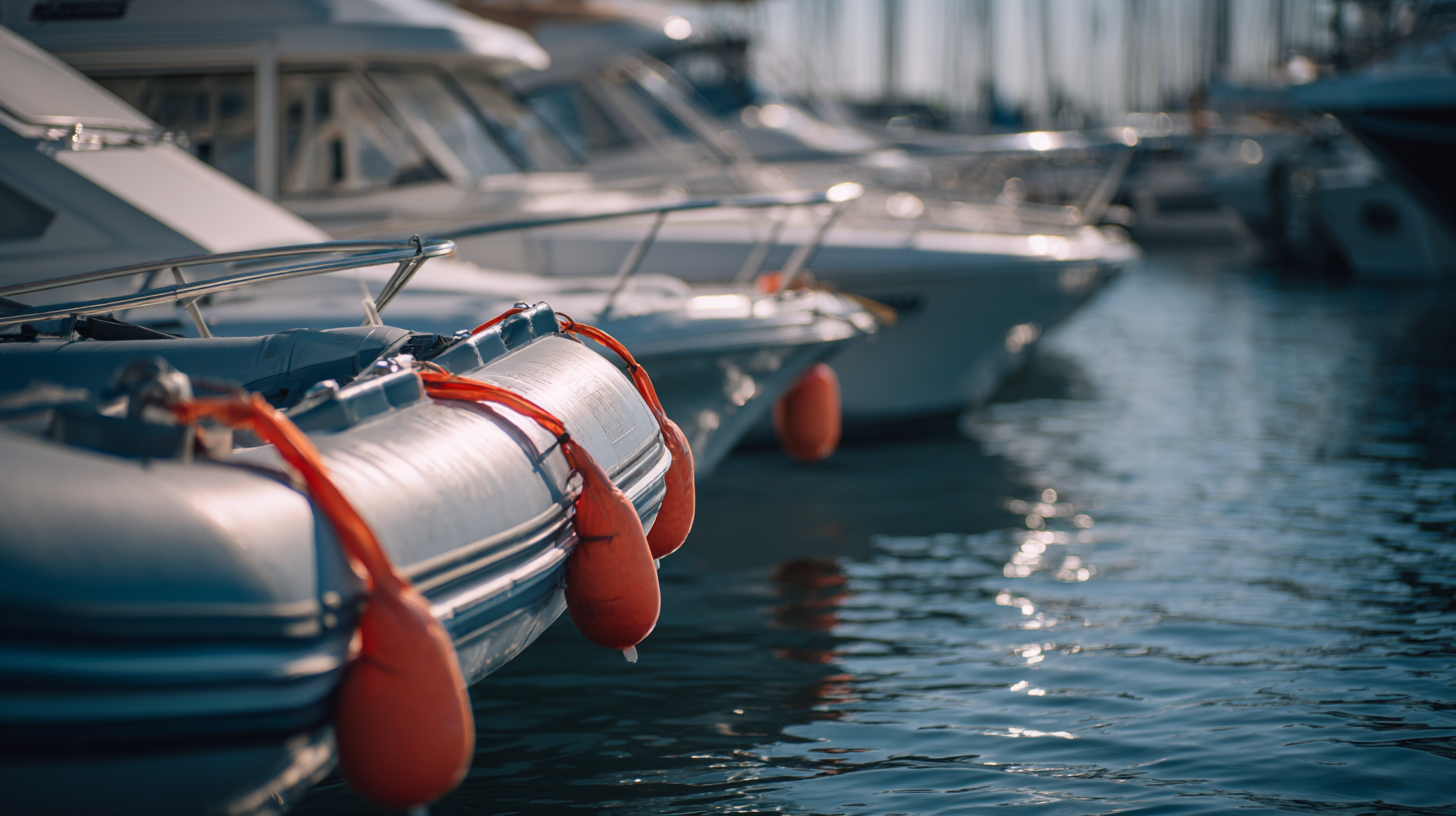
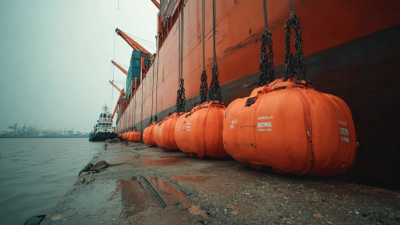
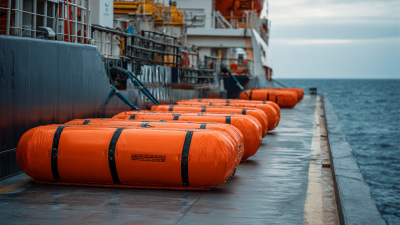
When you're picking out boat bumpers, it’s pretty helpful to know the different types out there so you can protect your watercraft properly. Generally speaking, there are two main kinds: inflatable bumpers and solid ones. 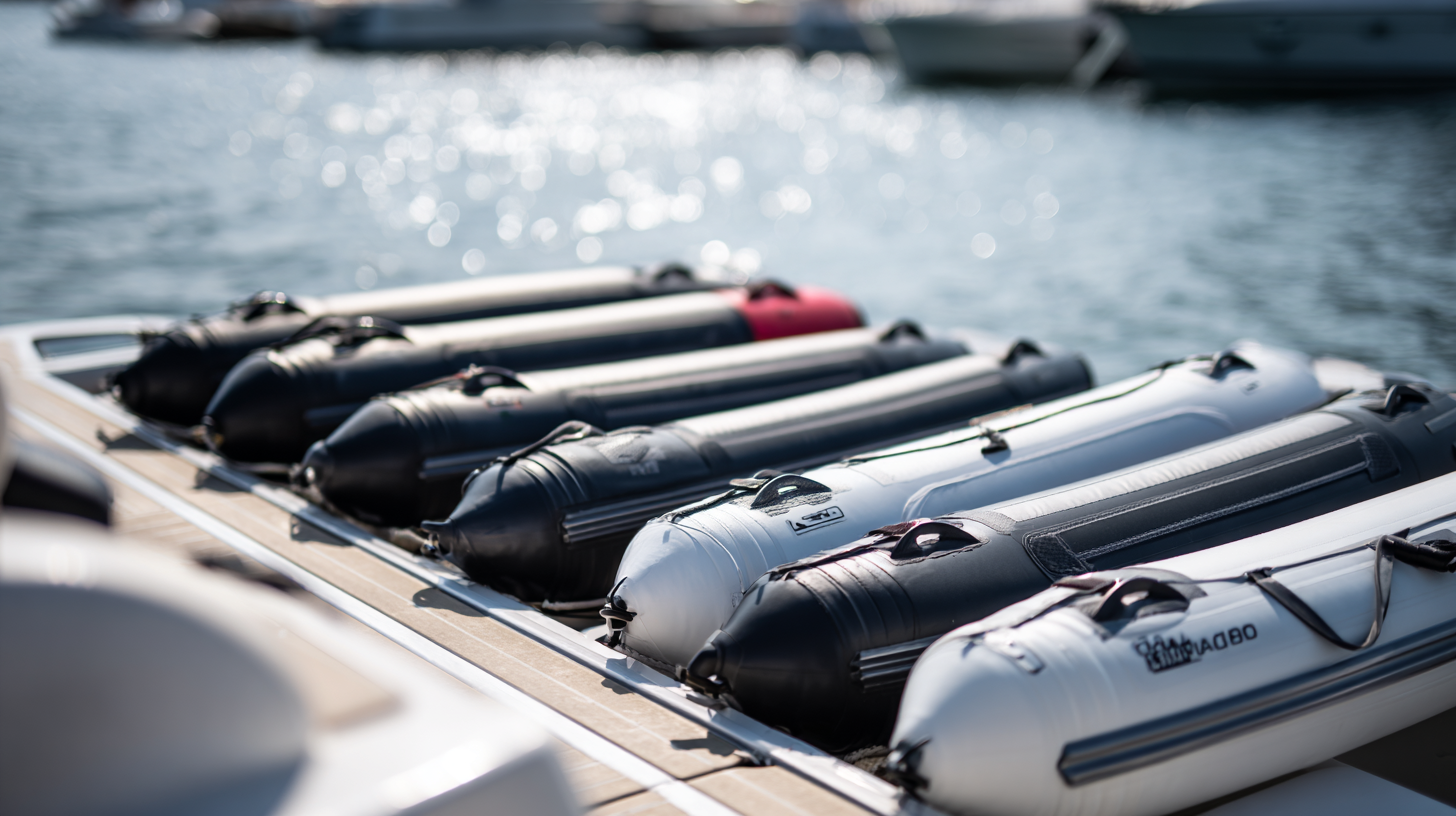 Inflatable bumpers are super lightweight and easy to pack away, which makes them a great choice for smaller boats or if you’re all about portability. They’re filled with air, so they absorb hits pretty well—perfect for bumping up against docks or docking with other boats. The only catch is, they might need a bit more attention over time because of potential punctures.
On the flip side, solid bumpers, usually made from tough stuff like rubber or foam, give you more heavy-duty protection. They’re especially handy if you’ve got a bigger boat or if you’re frequently in rougher waters where impacts can be harsher. These bumpers hold up better under tough conditions and help keep your boat’s surface looking good longer. When choosing between them, think about how often you dock, the typical weather you’re dealing with, and what size boat you’ve got—those factors will help you pick the right bumpers for your situation.
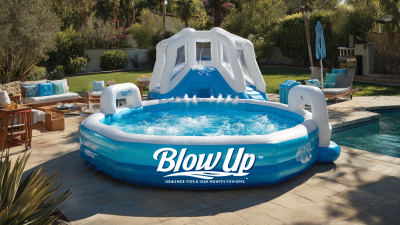
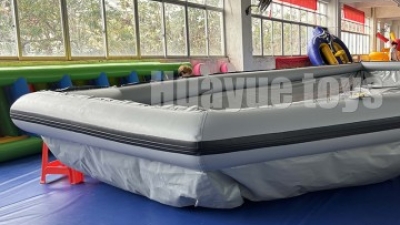
When it comes to protecting your boat and ensuring its longevity, choosing the right dry dock solution is paramount. The Ultimate Guide to Choosing Custom Inflatable Dry Docks highlights one of the most innovative options on the market: the Inflatable DryMARCHDock Lift. This cutting-edge product utilizes advanced air-lift technology and a stable floating platform to deliver exceptional protection. According to a report by the National Marine Manufacturers Association, proper boat storage can extend a vessel's life by up to 30%, making an investment in a reliable dry dock system worth considering.
The Inflatable DryMARCHDock Lift stands out due to its modular design, lightweight construction, and portability. Ideal for seasonal storage, maintenance, or temporary mooring, it offers a versatile solution for boat owners. With its inflatable structure, this dry dock adapts effortlessly to varying water conditions, ensuring a secure and adjustable platform that safely lifts boats above water level. This minimizes hull exposure to corrosive elements such as saltwater and algae, ultimately contributing to reduced maintenance costs and enhanced performance.
Furthermore, industry data indicates that boats stored on dry docks can experience a decrease in maintenance frequency by 40%. By investing in the Inflatable DryMARCHDock Lift, boat owners can not only protect their investment but also enjoy peace of mind knowing they’ve chosen a top-tier solution that optimizes boat care and longevity.
: The two main types of boat bumpers are inflatable bumpers and solid bumpers. Inflatable bumpers are lightweight and portable, while solid bumpers are made of durable materials and offer robust protection.
Inflatable bumpers are easy to store, lightweight, and good at absorbing impacts, making them ideal for small boats or those prioritizing portability.
Solid bumpers, made from materials like rubber or foam, offer strong protection and are especially useful for larger vessels or in areas with heavy impacts.
Material durability is crucial when selecting bumpers. Vinyl bumpers are robust with UV protection, foam bumpers are lightweight and absorb shock, and inflatable bumpers provide portability and adjustable buoyancy.
To balance cost and quality, look for durable bumpers with good reviews, consider bulk purchasing during sales, and focus on features like UV resistance and warranties to ensure safety without overspending.
Opting for the cheapest bumpers may lead to risks and damages, so it’s often better to invest in higher-quality options that provide better protection and durability over time.
When you're picking out boat bumpers for your watercraft, it's really helpful to understand the different types out there and what they’re best for. Each kind of bumper provides a different level of protection, so taking a moment to think about the size and weight of your boat can steer you in the right direction. Also, don’t forget to consider the material—stuff like vinyl, foam, or inflatable bumpers all have their own perks and durability levels. And honestly, the shape and surface area matter a lot too—they all play a part in keeping your boat safe from bumps and knocks.
Of course, balancing your budget with quality is pretty important. You don’t want to go cheap if it means sacrificing safety, but at the same time, there are good options that won’t break the bank. If you make a thoughtful choice by considering all these factors, you'll be helping your boat last longer and stay protected. By the way, as a leading supplier, Guangzhou Huayue Inflatable Products Toys Co., Ltd. offers a variety of top-quality inflatable gear, including tough boat bumpers that work well in different marine settings—all while supporting eco-friendly practices.